
Ray Ban Sunglasses
Filter & refine
4 products

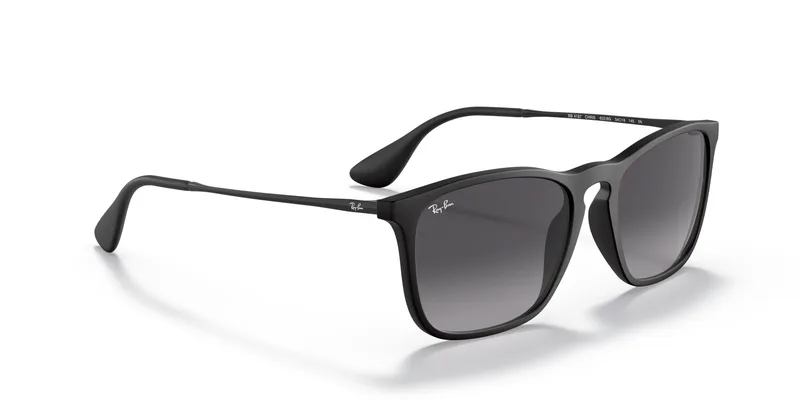


Ray Ban sunglasses in India
Ray-Ban sunglasses at Chashmish cost roughly ₹8,900 to ₹30,400. Across India the brand starts lower — around ₹6,000 for the simpler classic shapes. Ray-Ban is owned by EssilorLuxottica. Every pair blocks 100% of UV light. Three shapes account for most of what sells here — the Aviator, the Wayfarer and the Clubmaster — and all three have been made in more or less the same form for decades.
Ray-Ban sunglasses at a glance
- Price here
- ₹12,500–₹31,000; across India the brand starts nearer ₹6,000
- Owned by
- EssilorLuxottica
- Model code
- RB plus four digits — RB3025 is the Aviator, RB2140 the Wayfarer
- Lenses
- 100% UV protection on every pair; polarised models carry a small P beside the lens logo
- Fit
- Three numbers inside the arm: lens width, bridge width, arm length in mm
- Spellings
- Ray-Ban, Ray Ban and rayban all mean the same brand
A short history
Ray-Ban began with a problem. In the 1930s American pilots were struggling with glare at altitude, and the US Army Air Corps went to the optical company Bausch & Lomb for an answer. What came back was a green-tinted, teardrop-shaped lens, patented in 1937 and sold as the Aviator. The name means what it says: banning rays. The Wayfarer followed in 1952, one of the first sunglasses moulded in plastic rather than bent from metal, and went on to become the most copied shape in eyewear. Bausch & Lomb sold the brand in 1999, and Ray-Ban is now part of EssilorLuxottica.
Almost every sunglass shape you can name started here or was a reply to something that did. That is the reason to buy Ray-Ban, and also the reason so many copies exist.
Ray Ban sunglasses price in India
Ray-Ban sunglasses price in India covers a wide spread. The simplest classic shapes start around ₹6,000 in the wider market. At Chashmish the range runs from about ₹8,900 to ₹30,400, with most pairs falling between ₹12,500 and ₹21,000.
| Price band | What you get |
|---|---|
| ₹12,500–₹16,000 | The entry point here. Classic shapes in metal and acetate, standard tinted lenses. |
| ₹17,000–₹21,000 | The middle of the range, and where most buyers land. Larger lens sizes and more finish options. |
| ₹21,000–₹26,000 | Heavier builds, newer releases, and the start of the upgraded lens options. |
| ₹27,000 and above | The top of the range — specialist and polarised lens models. |
The single biggest thing that moves a Ray-Ban's price is the lens. Polarisation typically adds around ₹5,000 to the same frame. Whether that is worth paying is covered next.
Ray Ban polarized sunglasses: what you are paying for
A polarized lens is not just a darker lens. Dark lenses reduce all light equally. A polarized lens blocks light that has bounced off a flat surface — water, glass, a wet road, a car bonnet — which is the glare that makes you squint even when the sun is behind you.
This is the part almost nobody explains properly, so here is the practical version.
When it is worth the money
- Driving. The clearest case. Glare off wet roads, windscreens and bonnets is exactly what polarisation removes, and it reduces eye strain on long drives.
- Near water. Reflections off water are the strongest glare most people meet.
- Bright, hard light. If you find yourself squinting in ordinary sunglasses, polarisation usually fixes it where a darker tint does not.
When it is not
- Reading screens. Polarised lenses can make some phone, car dashboard and ATM displays look dark or patchy at certain angles.
- Low light. If you mostly wear sunglasses early or late, a lighter tint matters more than polarisation.
- Pure everyday style. If the sunglasses are for looks and city walking, the money is better spent on the frame.
How to tell whether a pair is polarised
Ray-Ban usually marks it with a small P next to the logo on the lens. There is also a test you can do in the shop: hold the sunglasses in front of a phone or computer screen and slowly rotate them. A polarised lens will go noticeably dark at some angles and lighten again at others. A plain tinted lens will not change.
Note that Ray Ban polarized glasses and polarised sunglasses are the same thing — "glasses" here means sunglasses, not prescription frames.
Reading a Ray-Ban model number
Every Ray-Ban carries a code beginning RB followed by four digits, and the four digits are the model. Once you know a few, the whole range makes sense — and the code is how you find the same frame again anywhere.
| Code | Model | What it is |
|---|---|---|
| RB3025 | Aviator | The original teardrop metal frame, from the 1930s pilot brief. |
| RB2140 | Wayfarer | The 1952 moulded plastic shape — the most copied frame in eyewear. |
| RB3016 | Clubmaster | Browline: heavy top, thin metal rim below. |
| RB3029 | Outdoorsman | An Aviator variant with a brow bar and cable temple tips. |
After the model number comes a colour code, then the size. A CH in the code marks a Chromance lens, which is Ray-Ban's polarised, colour-enhancing option.
How to choose Ray Ban sunglasses
By face shape
| Face shape | What works | Why |
|---|---|---|
| Round | Wayfarer, square, browline | Straight lines and defined corners add structure a rounder face does not already have. |
| Square | Aviator, round, oval | Curves soften a strong jaw instead of echoing it. |
| Oval | Most shapes | Balanced proportions carry almost anything in the range. |
| Heart | Aviator, round, lighter metal | Width is already at the top; lighter lower framing balances a narrower chin. |
| Oblong | Wayfarer, deeper lenses | Depth across the lens visually shortens a longer face. |
Men's, women's and unisex
Most of the famous Ray-Ban shapes are genuinely unisex. Ray Ban unisex sunglasses are not a separate line — the Aviator, Wayfarer and Clubmaster have all been worn across genders since they were launched, and are sold in several sizes rather than in men's and women's versions. The size numbers matter far more than the label.
Getting the size right
Look inside the arm for three numbers, like 58–14–135. They are lens width, bridge width and arm length in millimetres. The same model often comes in two or three sizes, so a Wayfarer that looks wrong on you may simply be the wrong one of the three. Take a pair you already wear comfortably, read its numbers, and buy within 1–2mm.
Rayban power sunglasses
Most Ray-Ban frames can be made with power — that is, glazed with your prescription — and this is one of the most common questions about the brand in India. The classic metal and acetate shapes take prescription lenses well. Strongly curved or wraparound frames are where limits appear, because strong curves and strong powers do not combine easily. ⚠️ Check with Chashmish for the frame and power you want before ordering.
Ray-Ban, Ray Ban, Rayban — and goggles
All the same brand. The company writes it Ray-Ban with a hyphen, but Ray Ban and rayban are both in everyday use and bring up the same products. Nothing turns on which one you type. In India “goggles” and “shades” both mean sunglasses too, so a search for rayban goggles returns the same frames at the same prices.
The same goes for what you call them. In India, rayban goggles and rayban shades both mean sunglasses — "goggles" has meant sunglasses here for decades, and Indian retailers use the word the same way. Outside India it means the strapped, sealed kind for skiing or swimming, which Ray-Ban does not make.
You will also see people search rayban sunglasses, Ray Ban sun glass and rayban sunglass rate — "rate" being the everyday Indian word for price. Searches for Ray Ban sunglasses India land in the same place. Same frames, same prices, whichever phrase you happen to type. The one thing worth getting right is the model code, because that is what identifies a specific frame.
What comes with an original Ray-Ban pair
Every Ray-Ban carries the same markings. The model code, colour code and size are printed inside one arm, and the Ray-Ban name is etched on the lens itself. On polarised models a small P sits beside it. The etching is in the glass rather than printed on the surface, so it does not rub off, and the model code inside the arm lets you look the same frame up later.
It is worth knowing where these are — partly to confirm what you have, and partly because the model code is how you find the same frame again later.
What to look for
- Inside one arm: the model code — for example RB3016 — with a colour code and the three size figures.
- On the lens: the Ray-Ban name etched into the top corner, plus a P if the lens is polarised. Etched, not printed on the surface.
- The other arm: the brand name and the CE mark.
- The hinges: they should open and close smoothly and evenly, and the frame should feel solid rather than hollow.
- In the box: Ray-Ban's own case, a cleaning cloth and the brand's papers. The codes on the box match the codes inside the arm.
If you are searching for original Ray Ban sunglasses, that is the checklist. The model code is the single most useful part of it, because it lets you compare the exact frame anywhere.
Where Ray-Ban sits in the Chashmish range
Ray-Ban is the most recognisable name in sunglasses, and the shapes are classics rather than trends — which is the main argument for buying one. It sits below the luxury houses on price and above the everyday brands.
If you want something different, these are the collections to look at next:
You can also try frames on in person — see find a studio for addresses and timings. Worth doing with Ray-Ban, because the same model comes in several sizes.
Ray Ban sunglasses FAQs
What is the Ray Ban sunglasses price in India?
Ray-Ban sunglasses at Chashmish cost roughly ₹8,900 to ₹30,400. Across the wider Indian market the brand starts lower, at around ₹6,000 for the simpler classic shapes. The biggest single factor is the lens — polarisation typically adds about ₹5,000 to the same frame. ⚠️ Check the current price before buying.
Are Ray Ban goggles and Ray-Ban sunglasses the same thing?
Yes. In India "goggles" has long meant sunglasses, and Indian retailers use the word that way too. Ray-Ban does not make a separate goggles line. A search for rayban goggles brings up the same frames at the same prices. Outside India the word means sealed ski or swimming eyewear, which Ray-Ban does not produce.
Is it Ray-Ban, Ray Ban or Rayban?
All three refer to the same brand. The company writes it Ray-Ban with a hyphen. Ray Ban and rayban are both common in everyday use and in search, and they bring up the same products. Nothing depends on which form you use — the model code is what identifies a specific frame.
Are Ray Ban polarized sunglasses worth the extra money?
It depends what you use them for. Polarisation removes glare reflected off flat surfaces — wet roads, water, glass — so it is worth it if you drive a lot or spend time near water. It is less useful if you mainly want sunglasses for style, or if you often read phone and dashboard screens, which can look dark through a polarised lens. It typically adds around ₹5,000.
How can I tell if a pair is polarised?
Ray-Ban usually marks polarised lenses with a small P next to the logo on the lens. You can also test it: hold the sunglasses in front of a phone or computer screen and slowly rotate them. A polarised lens goes noticeably dark at some angles and lightens at others. A plain tinted lens will not change.
Who makes Ray-Ban sunglasses?
Ray-Ban is owned by EssilorLuxottica. The brand was created in the 1930s by the American optical company Bausch & Lomb, which sold it to the Italian group Luxottica in 1999. Luxottica later merged with Essilor.
What do Ray-Ban model numbers mean?
Every Ray-Ban has a code starting RB followed by four digits, and those digits identify the model. RB3025 is the Aviator, RB2140 the Wayfarer, RB3016 the Clubmaster and RB3029 the Outdoorsman. After the model number comes a colour code and the size. CH in the code marks a Chromance lens, which is polarised.
Can Ray-Ban sunglasses be made with power?
Most can. The classic metal and acetate shapes take prescription lenses well. Strongly curved or wraparound frames are where limits appear, because strong curves and strong powers do not combine easily. ⚠️ Check with Chashmish for the frame and power you want before ordering.
Are Ray Ban unisex sunglasses a separate range?
No. Most of the famous Ray-Ban shapes are unisex by design — the Aviator, Wayfarer and Clubmaster have been worn across genders since launch. Rather than men's and women's versions, the same model is usually offered in two or three sizes, so fit comes down to the size numbers inside the arm rather than the label.
What size Ray-Ban should I buy?
Use the three numbers inside the arm — lens width, bridge width and arm length in millimetres, like 58–14–135. This matters more with Ray-Ban than most brands, because the same model comes in several sizes. A Wayfarer that looks wrong on you may just be the wrong size of the right frame. Take a pair you already wear comfortably and stay within 1–2mm.
The price figures on this page are a guide to what Ray-Ban sunglasses cost at Chashmish and across the Indian market. The range changes as new frames arrive, so availability, price and specification are confirmed at the point of purchase.
Sources for the brand facts on this page: EssilorLuxottica (brand ownership and manufacture), Ray-Ban brand history (founding, model lines and the 1999 sale). Prices are Chashmish's own and are reviewed regularly; confirm the current price at checkout.
This page is written and maintained by the Chashmish eyewear team in Ahmedabad. Frame specification, price and availability are confirmed at the point of purchase.