
Oakley Sunglasses
Filter & refine
Filter
Frame Type
Age Group
Brand
Frame Design
Lens Polarization
Frame Color
14 products
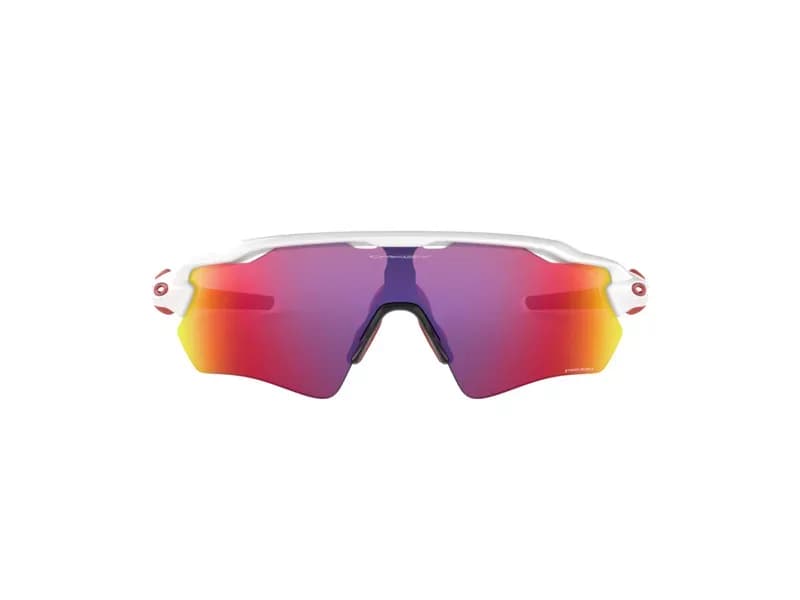
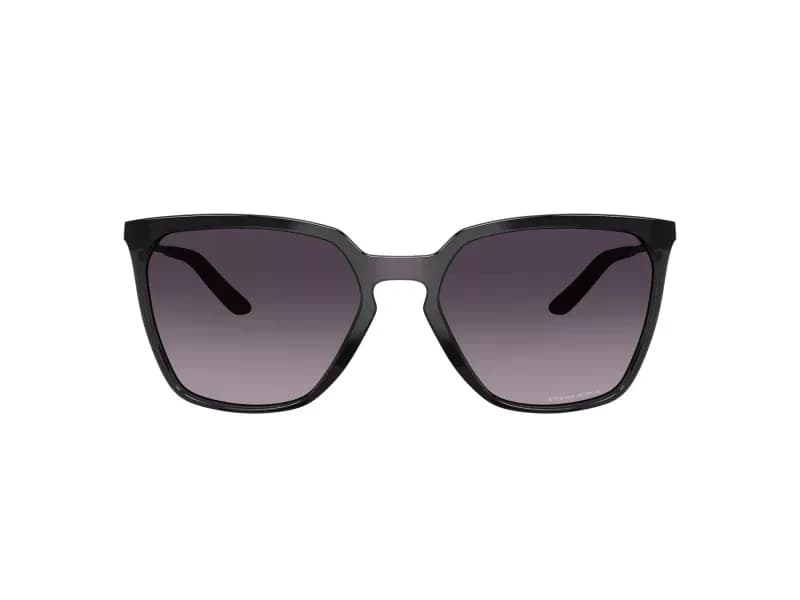
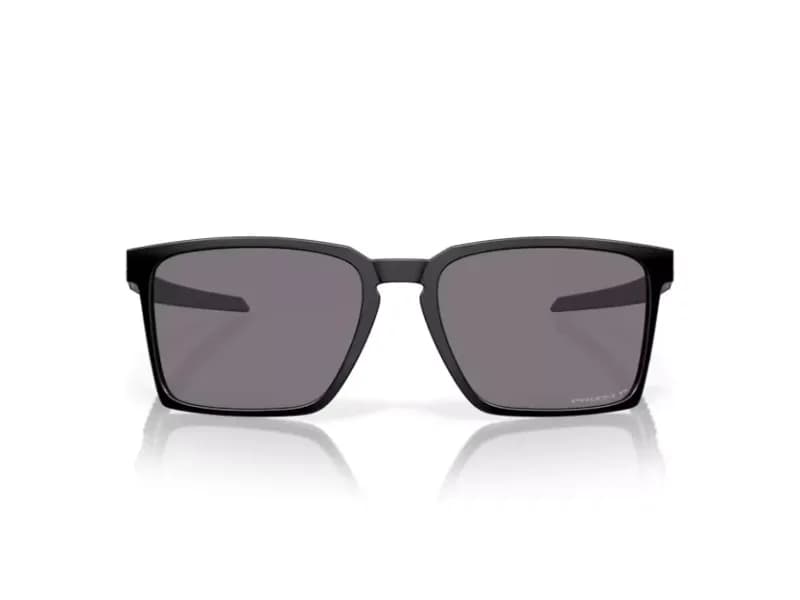
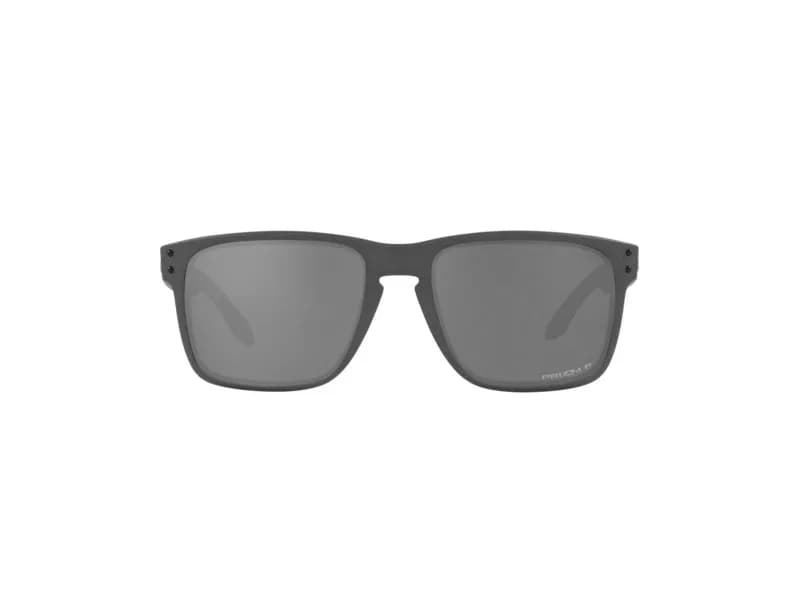


Oakley sunglasses in India
Oakley sunglasses in India cost roughly ₹9,700 to ₹16,000 at Chashmish. Oakley is a sports eyewear brand first and a fashion one second, which is why its frames wrap, grip and sit tight on the face. It is owned by EssilorLuxottica.
Oakley sunglasses at a glance
- Price here
- ₹9,500–₹15,000 — a narrower range than most designer brands
- Owned by
- EssilorLuxottica
- Model code
- OO plus four digits — for example OO9102
- Lenses
- 100% UV protection on every pair. Prizm tunes colour for detail; polarised cuts glare. Some lenses do both
- Prizm types
- Road for cycling, Field for ball sports on grass, Trail for running, Golf for golf
- Fit
- Wrap frames grip for sport; flatter frames are the easier everyday choice
A short history
Oakley started in 1975 with $300 and a garage in southern California. Jim Jannard, then 24, made motorcycle grips from a rubber compound he called Unobtainium, which grips harder as it gets wet, and sold them from the back of his car at motocross events. He named the company after his English Setter, Oakley Anne. The first sunglasses came in 1984 — the Eyeshade, moulded in polycarbonate, which more or less invented the sports sunglass. Luxottica bought Oakley in 2007, and it is now part of EssilorLuxottica.
That history still shows in the product. Where a fashion brand starts with a shape, Oakley starts with a problem — glare on a road, a ball against a bright sky — and builds the lens for it. That is what Prizm is, and it is the main reason to choose Oakley over a fashion label.
Oakley sunglasses price in India
Oakley sunglasses price in India starts at around ₹9,500 here and goes up to about ₹15,000. That is a narrower range than most designer brands, because the price is driven by the lens and the frame technology rather than by decoration.
Two things push an Oakley up or down the range, and neither of them is branding.
| What changes | Effect on price |
|---|---|
| The lens | The biggest factor. A standard tint sits at the bottom of the range; a Prizm lens costs more; Prizm with polarisation costs more again. |
| The frame material | Oakley's moulded plastic frames — the sports shapes — are the most affordable. Acetate and metal frames sit higher. |
| The build | Single-lens shield designs and the more engineered sports frames cost more than a simple square or rectangle. |
Set against the rest of the designer market, Oakley is good value. A comparable frame from a fashion house usually starts higher, and you are paying for the name rather than the lens.
Oakley for cricket, running and cycling
For sport, three things matter more than looks: the frame must not move, the lens must not shatter, and it must sharpen the one thing you need to see. Oakley sports sunglasses are built for all three, which is why the brand is common on cricket fields, running routes and bike rides.
Oakley cricket glasses
Cricket is a hard case for sunglasses. You are tracking a small ball against a bright sky, then against grass, then against the pitch — three different backgrounds in a couple of seconds — and you may be doing it for hours.
What to look for: a wrap shape that blocks light from the sides, a grippy nose and arm that holds when you sweat, a polycarbonate lens that will not shatter, and a tint that lifts contrast rather than just darkening everything. Oakley's Prizm Field lens is built for exactly this — ball sports played on grass in bright light. More on Prizm below.
Oakley running sunglasses
Running asks less of the lens and more of the fit. A frame that slips every few minutes is worse than no frame at all. Look for light weight, grip at the nose and arms, and enough ventilation that the lens does not fog when you stop. Lighter tints work better than very dark ones if you run early or late.
Oakley cycling sunglasses
Cycling is the most demanding of the three. You are moving fast, low to the road, and the hazards you need to see are changes in the road surface rather than objects. A single-lens shield gives the widest field of view and keeps wind and grit out. Prizm Road is built for this specific problem.
One honest note. The right lens helps, but fit decides whether you actually wear the thing. If you are buying for sport, try the frame on and move your head hard before you commit — the Ahmedabad shops are the easiest way to do that.
Prizm lenses explained
Prizm is Oakley's lens technology, and it is the main thing that separates Oakley from other sunglasses. A normal dark lens dims every colour equally. A Prizm lens does not — it works out which colours you need to see in a particular setting and lets those through more strongly, so detail stands out instead of flattening.
Oakley developed it using hyperspectral imaging, studying how light actually behaves on snow, water, road and trail. The result is a set of lenses tuned for different environments rather than one lens that suits everything.
| Prizm lens | Built for | What it does |
|---|---|---|
| Prizm Road | Road cycling | Brightens whites and lifts yellows, greens and reds so changes in the road surface and hazards stand out. |
| Prizm Field | Ball sports on grass | Raises contrast so the ball separates from the sky, the grass and the dirt. The closest match for cricket. |
| Prizm Trail | Trail running | Lifts greens and browns so roots, rocks and loose sand read earlier. |
| Prizm Golf | Golf | Accentuates greens and browns to show the change between fairway, fringe and rough. |
Prizm and polarisation are two different things, and it is worth knowing the difference. Prizm tunes colour so you see more detail. Polarisation cuts reflected glare — off water, glass and wet road. Some Oakley lenses do both. If you mainly drive, polarisation matters most; if you play or ride, Prizm usually matters more.
How to choose Oakley sunglasses
With Oakley, decide what you are buying for first. A frame built for sport and a frame built for everyday wear are genuinely different objects, and the sport ones are not the more comfortable choice off the field. Then pick the lens: Prizm tunes colour for detail, polarised cuts glare.
Frame types
| Type | Character | Best for |
|---|---|---|
| Square and rectangle | Moulded plastic or acetate, flatter front, everyday proportions. | Daily wear, driving, a first Oakley. |
| Single-lens shield | One continuous lens, wide field of view, wraps close to the face. | Cycling, running, anything fast. |
| Sports wrap | Grippy nose and arms, vented, built to stay put. | Cricket and field sport. |
| Metal | Oakley metal sunglasses are thinner and lighter-looking — the brand's dressier end. | Office wear, or anyone who finds the sports shapes too much. |
By face shape
Oakley's range is mostly angular, which suits rounder faces well. If your face is already square or strong-jawed, the softer rectangles and the metal frames will sit better than a hard wrap. A wide wrap on a narrow face will slide; a narrow frame on a wide face will pinch — this is the most common fit mistake with this brand.
Getting the size right
Look inside the arm for three numbers, like 58–17–133. They are lens width, bridge width and arm length in millimetres. Take a pair you already wear comfortably, read its numbers, and buy within 1–2mm. With the wrap shapes, the bridge measurement matters most.
Sunglasses with power
Some Oakley frames take prescription lenses, but the heavily curved sports shapes are the most likely to have limits, because strong curves and strong powers do not combine easily. ⚠️ Check with Chashmish for the frame and power you want before ordering.
Oakley goggles or Oakley sunglasses?
In India, people search Oakley goggles when they mean sunglasses, and that is how Indian retailers use the word too. It is worth being clear about, because unlike most eyewear brands Oakley genuinely does make real goggles as well — sealed, strapped snow goggles for skiing and snowboarding.
Those are a separate product line, built for the mountains, and they are not what this page is about. If you searched Oakley goggles from India, you almost certainly meant sunglasses, and that is what you will find here.
The same applies to Oakley shades, Oakley sunglasses price and Oakley sunglasses India — different phrasings, same frames. New Oakley sunglasses arrive through the year, so it is worth checking new arrivals alongside this page.
What comes with an original Oakley pair
Every Oakley frame carries the same markings. The model code starts OO followed by four digits, with a colour code and the size, printed inside the arm. On Prizm lenses the lens itself is marked. Every pair blocks 100% of UV light, and the model code inside the arm is how you look the same frame up later.
It is worth knowing where these are — partly to confirm what you have, and partly because the model code is how you find the same frame again later.
What to look for
- Inside the arm: the model code — for example OO9102 — with a colour code and the three size figures.
- The lens marking: Prizm lenses carry the Prizm name, and the lens type tells you what it is tuned for.
- The O logo: fitted into the arm as a separate piece on most models, rather than printed on the surface.
- The feel: Oakley frames are light but stiff, and the arms move smoothly and evenly. The grip material on the nose and arms should feel tacky rather than hard and shiny.
- In the box: Oakley's own case or pouch, a cleaning cloth and the brand's papers. The codes on the box match the codes inside the arm.
Where Oakley sits in the Chashmish range
Oakley is the performance end of the range. It is the brand to look at if you actually do something in your sunglasses rather than only wear them — and it is priced below most of the designer labels, because the money goes into the lens rather than the name.
If you want something more conventional, these are the collections to look at next:
You can also try frames on in person — see find a studio for addresses and timings. With Oakley this is worth doing, because fit matters more than with any other brand here.
Oakley sunglasses FAQs
What is the Oakley sunglasses price in India?
Oakley sunglasses at Chashmish cost roughly ₹9,700 to ₹16,000. The range is narrower than most designer brands because Oakley prices on the lens and the frame technology rather than on decoration. A Prizm lens costs more than a standard tint, and Prizm with polarisation costs more again. ⚠️ Check the current price before buying.
What is Prizm, and is it worth paying for?
Prizm is Oakley's lens technology. A normal dark lens dims every colour equally; a Prizm lens lets through the colours you need for a particular setting, so detail stands out. It is worth paying for if you play sport, cycle or drive a lot. For occasional everyday wear, a standard tint is enough.
Which Oakley sunglasses are best for cricket?
Look for a wrap shape that blocks side light, grippy nose and arm pads that hold when you sweat, a polycarbonate lens that will not shatter, and a contrast-lifting tint rather than a very dark one. Oakley's Prizm Field lens is built for ball sports played on grass, which is the closest match for cricket conditions.
Are Oakley goggles the same as Oakley sunglasses?
In India, "goggles" is commonly used to mean sunglasses, and that is how Indian retailers use it. Oakley is unusual though — it genuinely makes sealed snow goggles for skiing and snowboarding as well. Those are a separate product line. If you searched Oakley goggles from India, you most likely meant sunglasses.
Who makes Oakley sunglasses?
Oakley is owned by EssilorLuxottica. Luxottica bought the company in 2007, and Luxottica later merged with Essilor. Oakley was founded independently in 1975 by Jim Jannard, who started out making motorcycle grips and named the company after his dog.
Are Oakley sunglasses polarized?
Some models are and some are not — it depends on the lens fitted, so check the model you want. Polarisation cuts reflected glare from water, glass and wet roads, which helps most when driving. It is a different thing from Prizm: Prizm tunes colour for detail, polarisation removes glare. Some lenses do both.
What are Oakley metal sunglasses?
Alongside its moulded sports frames, Oakley makes a line of metal frames that are thinner and dressier — closer to a conventional pair of sunglasses. They suit office wear, or anyone who finds the sports shapes too aggressive, while keeping Oakley's lens options.
Are Oakley sunglasses good for running and cycling?
Yes, and they are among the most common choices for both. For running, fit matters more than the lens — look for light weight, grip and ventilation. For cycling, a single-lens shield gives the widest view and keeps wind and grit out, and Prizm Road is tuned specifically for reading road surfaces.
Can Oakley sunglasses be made with power?
Some frames can take prescription lenses. The heavily curved sports shapes are the most likely to have limits, because strong curves and strong powers do not combine easily. ⚠️ Check with Chashmish for the frame and power you want before ordering.
What size Oakley sunglasses should I buy?
Use the three numbers inside the arm — lens width, bridge width and arm length in millimetres, like 58–17–133. Take a pair you already wear comfortably, read its numbers, and buy within 1–2mm. With Oakley's wrap shapes the bridge measurement matters most, because that is what stops the frame sliding.
The price figures on this page are a guide to what Oakley sunglasses cost at Chashmish. The range changes as new frames arrive, so availability, price and specification are confirmed at the point of purchase.
Sources for the brand facts on this page: EssilorLuxottica (brand ownership and manufacture), Oakley, Inc. company history (founding and lens technology). Prices are Chashmish's own and are reviewed regularly; confirm the current price at checkout.
This page is written and maintained by the Chashmish eyewear team in Ahmedabad. Frame specification, price and availability are confirmed at the point of purchase.